
US and Iran Hold Quiet Talks in New York as Hormuz Deadlock Persists
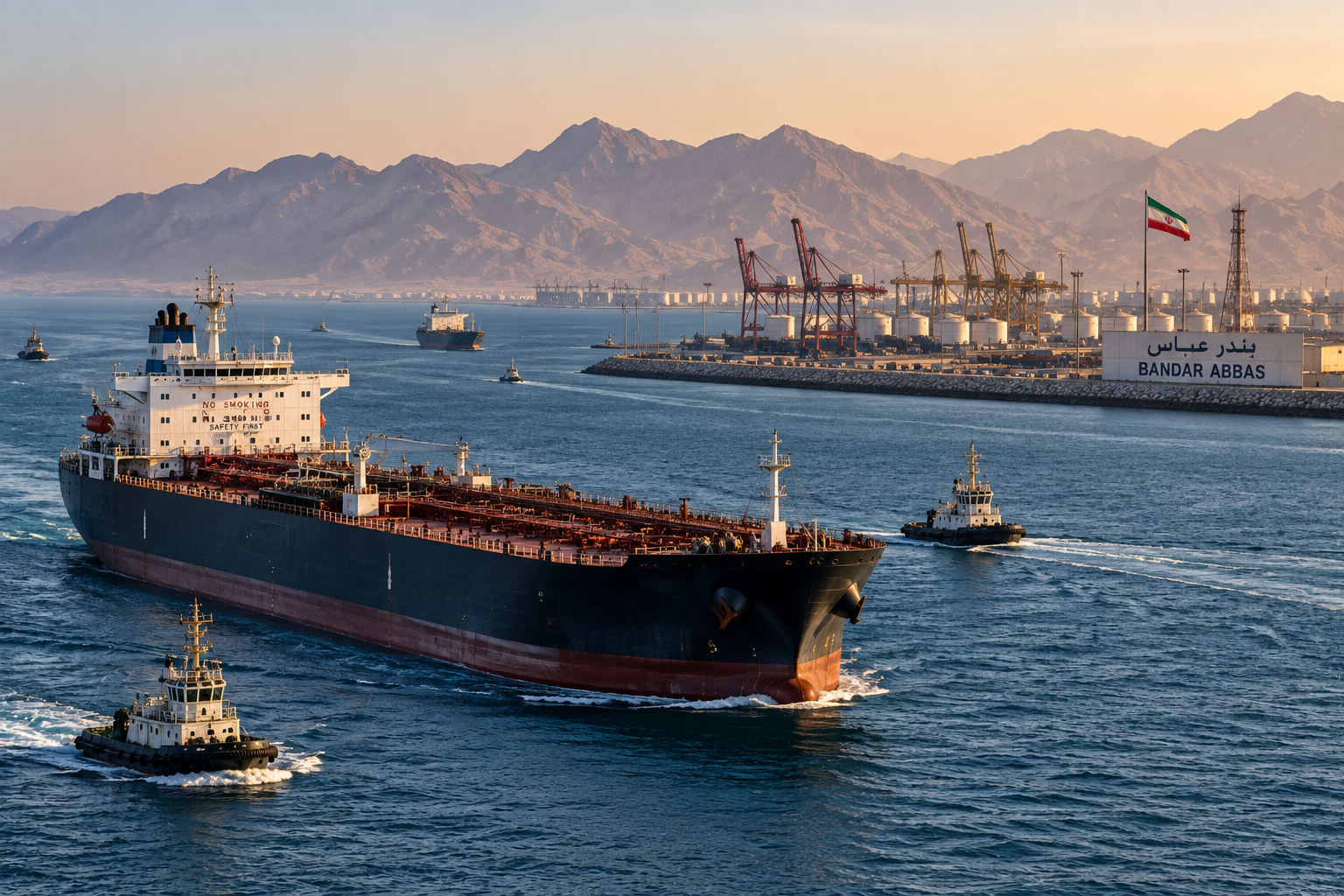
Washington and Tehran are quietly engaging in New York in an effort to end seven months of conflict, sources say, but no breakthrough has emerged. The Strait of Hormuz and Iran's enriched uranium stockpile remain the main obstacles.
The United States and Iran are holding quiet talks in New York in search of common ground, but a breakthrough remains elusive after seven months of war, according to sources briefed on the discussions.
The contacts, which sources described to The National on Tuesday, are meant as a prelude to full negotiations to end a conflict that has killed thousands, disrupted global energy supplies, pushed up oil prices and fed inflation around the world. Neither government has confirmed the details.
What each side is saying in public
The public messages remain sharply different. US President Donald Trump wrote on Truth Social on Monday that he had offered Iran nothing to end the war, responding to reports by Axios and CNN that he was willing to release Iranian funds in a final deal if Iran showed concrete progress on the nuclear issue.
Mr Trump has said preventing Iran from acquiring a nuclear bomb is a central aim of the war, alongside ending its ability to attack neighbours and creating conditions for Iranians to remove their leadership. On Saturday he rejected an Iranian plan and argued that Tehran was pushing for a deal on Hormuz because it was losing badly.
Iranian President Masoud Pezeshkian struck a different tone in an interview with CBS. He said Iran is not seeking war but will defend itself against pressure, threats and attacks, that it is ready to talk about its nuclear programme and other issues, and that it will not accept bullying. He added that Iran has already agreed it should not develop nuclear weapons. Iran denies seeking a bomb and says it has the right to a civilian nuclear programme.
Signs of movement
Behind the public positions, sources say, Tehran may have softened its stance on two central issues: the reopening of the Strait of Hormuz and its nuclear programme. In return, it is reportedly seeking a relaxation of the US blockade and the release of funds frozen under sanctions.
Last week, Iranian Foreign Minister Abbas Araghchi said Iran had passed Washington, through Qatar, a concrete seven-day plan to resolve the standoff over the strait. Under it, the waterway would reopen on the sixth day if agreed steps were carried out, with the clock starting once the United States accepts. "The choice now is with the US," he said at the UN. He added that mediators had not formally relayed a US rejection and that Tehran was waiting for their definitive views.
The uranium sticking point
The sharpest disagreement concerns Iran's stockpile of uranium enriched to 60 per cent. Sources say Tehran proposed a phased process in which the material would first be diluted and then moved abroad under mechanisms recognised by the International Atomic Energy Agency. That goes further than earlier remarks by Mr Pezeshkian about diluting the stockpile and allowing verification.
Washington, according to the same sources, wants to take delivery of the uranium itself rather than see it go to a third country, and wants Iran to commit to a precise timeframe. Earlier reports suggested Iran had Russia in mind as the destination. The gap over who receives the material, and when, is one of the clearest obstacles to a deal.
Why the Gulf is watching
The consequences extend well beyond the two negotiating parties. Iran and its allies have widened the conflict across the region, striking Arab neighbours with drones and missiles, while Yemen's Houthi rebels have targeted Saudi interests.
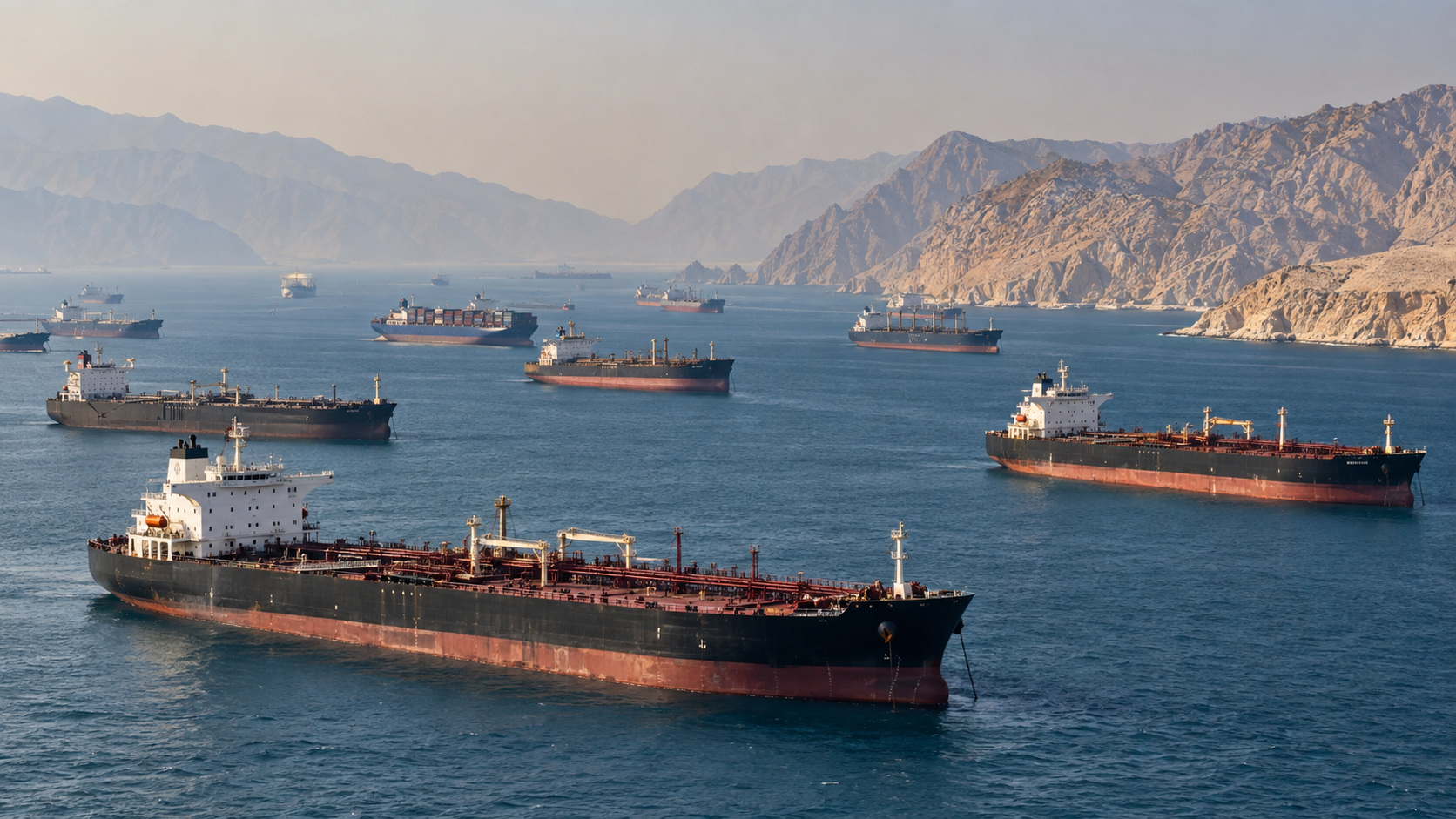
Energy markets show the strain. Brent crude came close to $110 this month, and Saudi Arabia has sent far more oil through the Strait of Hormuz after Houthi attacks disrupted its Red Sea route. That is feeding directly into consumer prices, including UAE petrol, which rises by about 16 per cent in October.
What to watch
Three developments will show whether the quiet diplomacy is working. The first is whether the United States formally responds to Iran's seven-day Hormuz plan. The second is whether the two sides can agree on how, when and to whom the uranium stockpile is transferred. The third is whether the language from Washington and Tehran softens in public as well as private.
For now, mediators from Qatar, Egypt and Pakistan remain in the picture, and both governments say they want a deal on their own terms. Until one emerges, the region, and the oil market, will keep waiting.
Leave a comment
Your email address will not be published. Required fields are marked *