
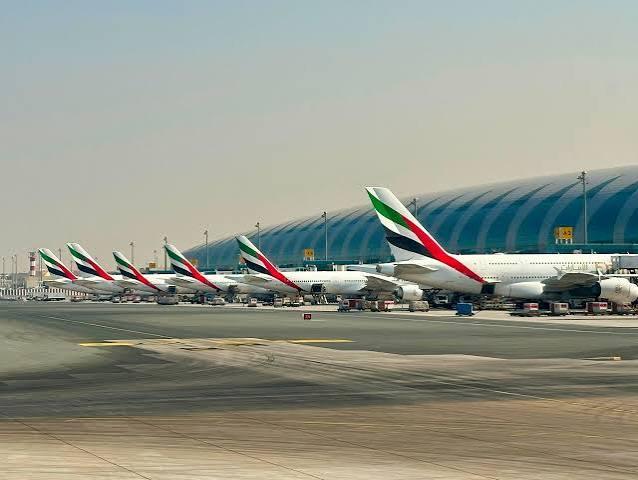
Dubai Aviation Sector Shows Signs of Recovery Despite Ongoing Gulf Disruptions and Rising Oil Prices
Dubai's aviation sector is showing gradual signs of recovery even as some flight disruptions persist, with more than 170 delays reported at the city's two main airports last weekend. Rising fuel costs, driven by Brent crude surpassing $107 a barrel, continue to weigh on airline operations across the Gulf.
A Mixed Picture for Gulf Air Travel
Dubai's aviation industry is navigating a delicate recovery, with passenger demand gradually returning and airlines restoring capacity even as pockets of disruption continue to ripple through the region's flight schedules. The latest industry data paint a picture of cautious improvement rather than a full return to normal operations, as the broader US-Iran conflict continues to shape decisions across airlines serving the Gulf.
According to FlightAware data, more than 170 flights were delayed across Dubai International Airport and Zayed International Airport in Abu Dhabi on September 13 alone. Separately, two flydubai flights operating between Dubai and Bahrain were cancelled outright, offering a concrete illustration that disruption—while easing in some respects—has not disappeared entirely from the region's flight networks.
Not Every Delay Is Conflict-Related
Aviation officials have been careful to note that not every delay or cancellation can be directly attributed to the ongoing regional conflict. Technical issues, adverse weather conditions, and air-traffic-control restrictions continue to affect individual flights just as they would during any normal operating period, meaning the true scale of conflict-driven disruption is somewhat more difficult to isolate from routine operational hiccups.
Abdul Wahab Teffaha, Secretary General of the Arab Air Carriers Organisation, pointed to the Middle East aviation industry's historical resilience, noting that the sector has previously demonstrated an ability to recover from major shocks, including past wars and financial crises. His comments reflect a broader sentiment among regional carriers that current disruptions, while serious, are unlikely to represent a permanent structural shift in the region's aviation landscape.
Some International Carriers Remain Cautious
Despite the gradual recovery narrative, certain international airlines have opted to maintain suspended or reduced services to the UAE and wider Gulf region, reflecting a more conservative risk posture among carriers headquartered outside the immediate area. This divergence—between regional airlines pushing to restore full schedules and some international operators holding back—illustrates the uneven nature of the recovery currently underway.
For UAE-based travellers and businesses that rely heavily on international connectivity, this means schedule volatility may persist for some time yet, even as headline figures suggest overall improvement.
Oil Prices Add Another Layer of Pressure
Compounding the operational challenges, fuel costs have climbed sharply amid continued disruption to shipping through the Strait of Hormuz. Brent crude has pushed above $107 a barrel, a level that places significant pressure on one of the aviation industry's largest cost categories. For airlines already managing the operational complexity of a partially disrupted network, the added fuel expense represents a further squeeze on margins at a time when demand recovery remains fragile.
Higher fuel costs are typically passed through to consumers over time via ticket pricing, meaning travellers booking flights to and from the UAE in the coming months may see the impact reflected in fares even as flight availability itself continues to improve.
What It Means for UAE Residents and Travellers
For residents planning travel in the near term, the practical takeaway is one of cautious optimism paired with continued vigilance. Airlines are actively working to restore full schedules, and demand indicators suggest travellers are gradually returning to Gulf routes despite the backdrop of regional tensions. At the same time, the persistence of delays and occasional cancellations—alongside rising fuel-driven fare pressure—means travellers should continue building flexibility into their travel plans, particularly for routes that pass near active conflict zones or transit through airports handling elevated volumes of rerouted traffic.
Looking Ahead
Much of the sector's near-term trajectory will hinge on how the broader regional conflict evolves in the weeks ahead, particularly regarding shipping conditions in the Strait of Hormuz and the pace at which affected airports and airlines can fully normalise operations. For now, Dubai's aviation ecosystem appears to be threading a careful path between recovery and continued caution—a balancing act that officials say has become a defining feature of doing business in the region since the conflict began earlier this year.


Leave a comment
Your email address will not be published. Required fields are marked *