All Six GCC States Back UAE's Lana Nusseibeh in Race for UN Secretary-General
The six Gulf Cooperation Council states have unanimously endorsed Emirati diplomat Lana Nusseibeh's candidacy for UN secretary-general. The UAE formally nominated her on October 21. The post becomes vacant when António Guterres's term ends on December 31.
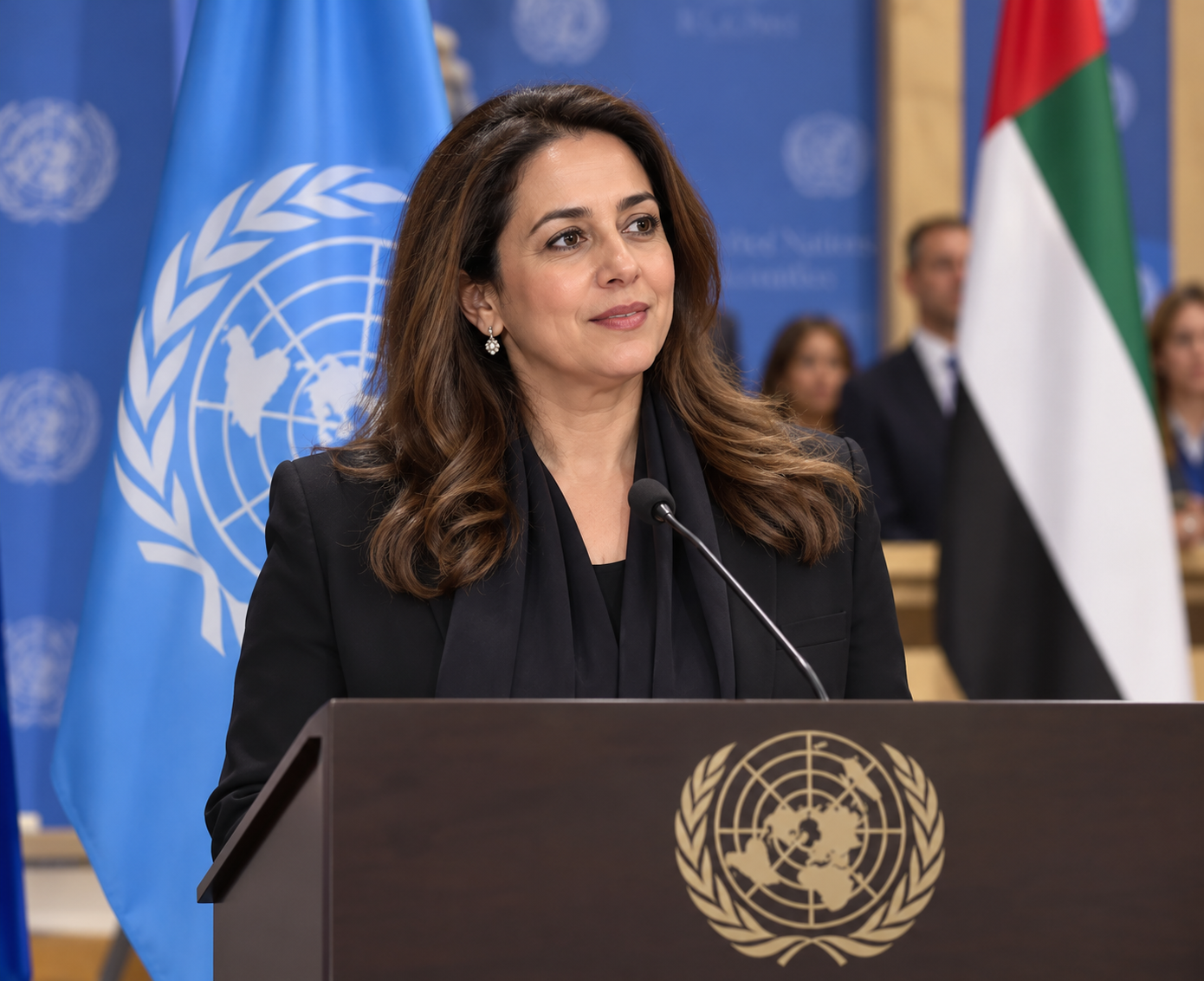
DUBAI – The Gulf Cooperation Council has thrown its full weight behind an Emirati candidate for one of the most powerful diplomatic posts in the world. All six member states have endorsed Lana Nusseibeh, the UAE's Minister of State, as the next United Nations secretary-general, giving her a united regional base as the race to succeed António Guterres moves forward.
GCC Secretary-General Jasem Mohamed Albudaiwi announced the decision on Thursday, October 22. The endorsement came a day after the UAE formally submitted Nusseibeh's nomination, which UN records show was lodged on October 21.
A statement of regional confidence
In his statement, Albudaiwi said the backing reflected the Gulf states' commitment to multilateral cooperation and their determination to strengthen the UN's role in preserving international peace and security. He described Nusseibeh as a diplomat with wide experience and a record of helping countries bridge differences and build consensus on difficult international questions.
He added that he was confident her experience and qualifications would strengthen the effectiveness and standing of the United Nations, and he wished her success in her candidacy.
The six GCC members are Bahrain, Kuwait, Oman, Qatar, Saudi Arabia and the UAE. Seeing all six line up behind a single candidate sends a clear signal, especially in a region where political positions do not always align. It also arrives shortly after Sheikh Mohammed bin Rashid Al Maktoum, Vice President and Prime Minister of the UAE and Ruler of Dubai, called in a recent letter for greater unity and cooperation among Gulf states.
Who is Lana Nusseibeh?
Nusseibeh has spent more than a decade at the centre of UN diplomacy. She served as the UAE's permanent representative to the United Nations from 2013 to 2024, a period that included the country's two-year term on the Security Council in 2022 and 2023. During that term she presided over the council twice.
Her résumé at the UN also includes a stint as vice-president of the General Assembly and the presidency of the Executive Board of UN Women. Together, those roles give her experience in two of the organisation's main arenas: the Security Council, where the most contested political decisions are made, and the General Assembly, where all member states have a voice.
Dr Anwar Gargash, Diplomatic Adviser to the UAE President, has publicly welcomed her nomination, presenting it as a sign of the talent the UAE can offer the international community.
How the secretary-general is chosen
The timetable is fixed by the calendar. Guterres is serving his second five-year term, which ends on December 31, 2026, so the organisation needs a successor in place for the new year.
The process is political as much as procedural. The secretary-general is appointed by the General Assembly, but only on the recommendation of the 15-member Security Council. Within the council, each of the five permanent members – China, France, Russia, the United Kingdom and the United States – holds a veto and can block a candidate.
That makes the regional endorsement valuable but not decisive. As Gulf News noted in its report, the united GCC position gives Nusseibeh a clear expression of regional support, yet the final outcome rests entirely on the UN selection process. A candidate needs to win the confidence of the major powers as well as the wider membership.
A debate about who should lead
Nusseibeh's candidacy also lands in the middle of a wider conversation about the future of the post. Commentary in recent days has revisited the fact that, in the organisation's eight decades, the job has been held only by men, and some writers have argued that the next secretary-general should be a woman. Gulf News has also published a guide to the declared candidates, reflecting the growing number of contenders.
Whatever the final outcome, the nomination is a notable moment for UAE diplomacy. The country has invested heavily in its multilateral profile over the past decade, and a Gulf state putting forward a candidate for the top UN job reflects that ambition.
What happens next
For now, the focus shifts to the diplomatic groundwork. Candidates typically spend the weeks ahead meeting delegations, presenting their vision for the organisation, and making the case that they can navigate a divided Security Council. Nusseibeh's supporters will point to her record of chairing council sessions and building consensus, while the GCC's endorsement gives her campaign an early, unified boost.
The timeline is tight. With Guterres's term ending in just over two months, the Security Council and General Assembly will have limited time to complete the process.
Leave a comment
Your email address will not be published. Required fields are marked *