
UAE Weather: Showers Likely in the East and North, Fog Expected in Dubai and Abu Dhabi
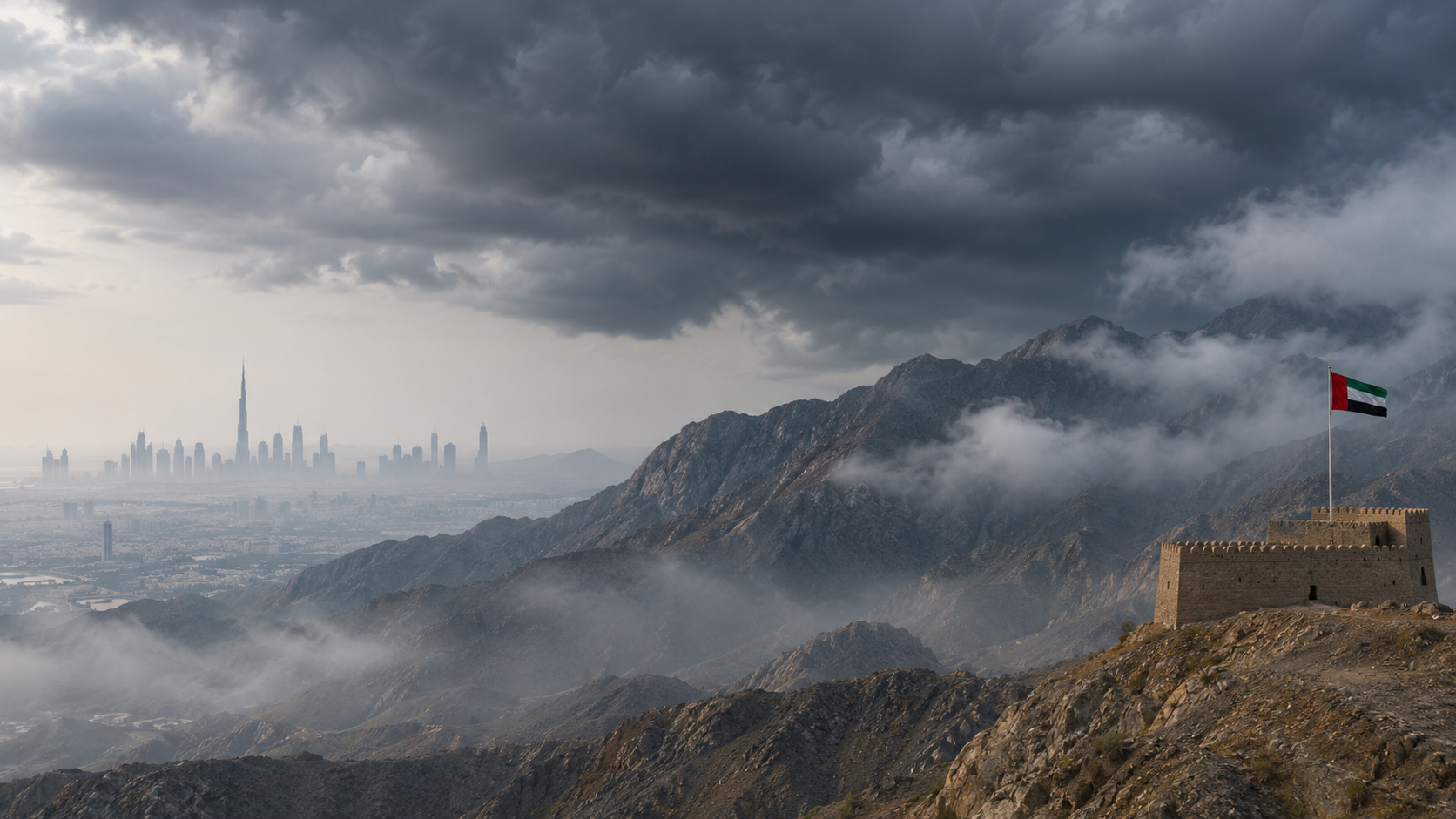
Rain-bearing clouds are expected over parts of Sharjah, Fujairah and Khor Fakkan today, with more showers possible tomorrow and Friday, while humidity of up to 90 per cent may bring fog or mist to Dubai and Abu Dhabi. The UAE's seasonal outlook points to near- to above-average rainfall through March.
Residents of the UAE's northern and eastern emirates should keep an umbrella handy today, while drivers in Dubai and Abu Dhabi may want to allow extra time for foggy conditions.
Forecasters expect convective clouds to develop over parts of Sharjah, Fujairah and Khor Fakkan, bringing a chance of rain this afternoon, with further showers likely tomorrow and on Friday. Humidity is forecast to climb as high as 90 per cent in Abu Dhabi and Sharjah, and fog or mist is likely in Dubai and Abu Dhabi, according to Emirates 24|7. Gulf News showed Dubai at around 32°C this morning.
A shaky few days
The weather bureau had already flagged unstable conditions from 3 to 7 November, with light to moderate rainfall possible in some areas. The National Centre of Meteorology and the National Emergency Crisis and Disaster Management Authority have also been monitoring a tropical situation in the Arabian Sea, a reminder that autumn can bring more varied weather than the long summer months.
Rain in the UAE is typically patchy. Showers can drench one neighbourhood while leaving another dry, and the mountainous east often sees the heaviest falls because moisture-laden clouds build over the Hajar range. That is why Fujairah and Khor Fakkan feature so often in forecasts of this kind.
Day by day
Today (Wednesday): Showers possible this afternoon over parts of Sharjah, Fujairah and Khor Fakkan; fog or mist likely in Dubai and Abu Dhabi, with very high humidity.
Thursday: A further chance of rain in the east and north.
Friday: More showers are possible, so weekend travel to the east coast is worth rechecking.
The bigger picture: an El Niño winter
Today's cloud and showers arrive against a wider seasonal backdrop. In October, the National Centre of Meteorology confirmed that El Niño warming had intensified and said temperatures and rainfall across the UAE are expected to be near to above average from November 2026 to March 2027. Rain had already fallen in Fujairah and Al Ain when the outlook was published, and fog was forecast overnight in Dubai and Abu Dhabi.
For a country where a single downpour can disrupt roads, flights and school runs, an above-average rainfall winter is more than a curiosity. It affects planning for municipalities, insurers, construction sites and event organisers.
Fog and humidity: what to expect on the roads
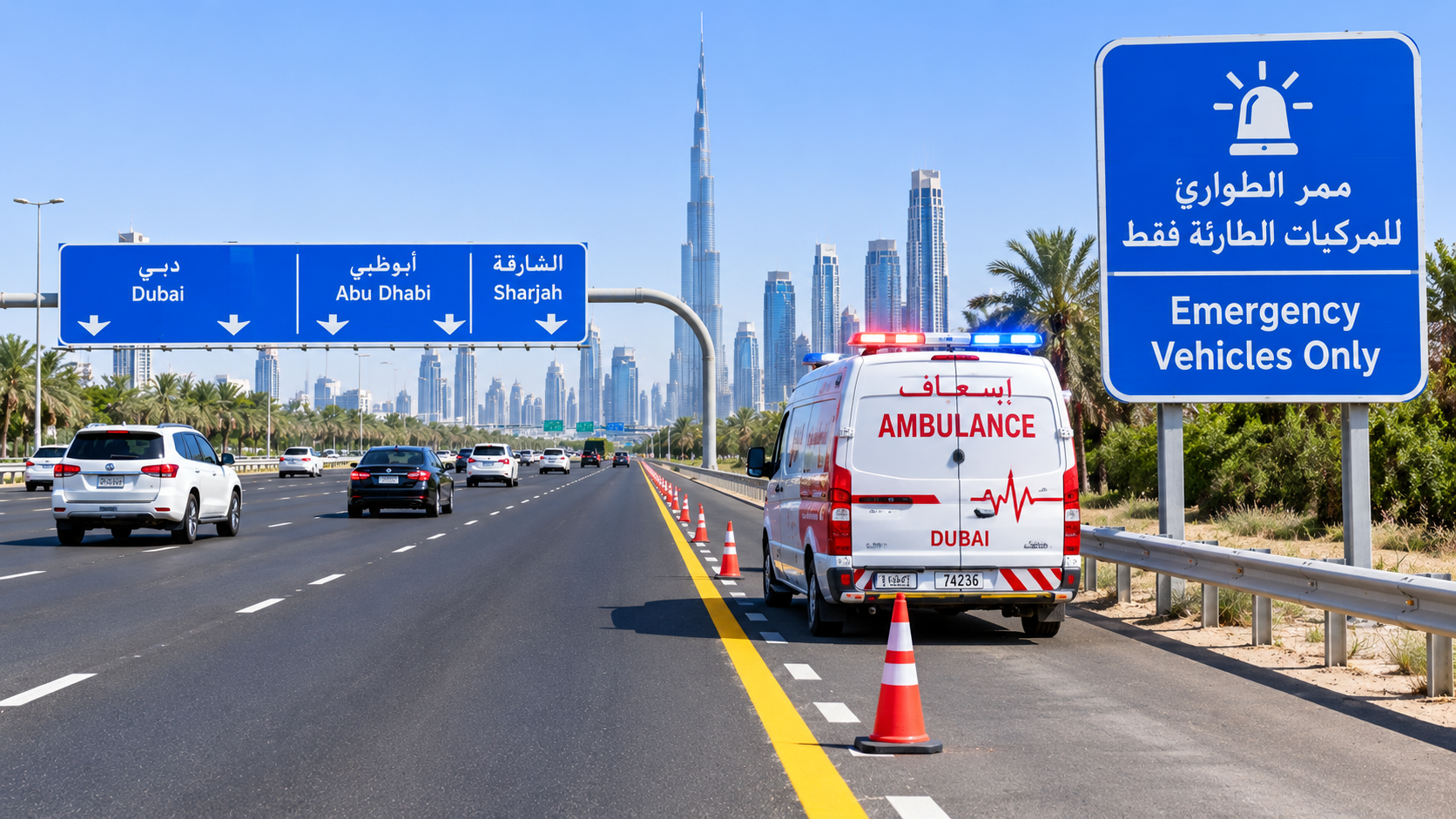
Humidity near 90 per cent in coastal cities often produces early-morning fog and mist, particularly in Abu Dhabi and Dubai. Visibility can fall quickly on highways and near the coast. Authorities typically remind motorists to follow the standard safety guidance during such conditions:
Slow down and increase the distance between vehicles.
Use low-beam headlights and fog lights where fitted, not high beams.
Avoid sudden braking and lane changes.
Check live traffic and police updates before setting out.
Insurance and preparedness
The recent weather has also put a spotlight on cover for rain-related damage. Emirates 24|7 reported recently that the Sanadak insurance dispute service has helped settle claims involving car accidents, rain damage and theft. Residents who have experienced storm damage may wish to check their policy terms and document any losses with photographs.
Outlook for the rest of the week
With showers possible tomorrow and again on Friday, particularly in the east and north, weekend plans involving beaches, hikes or wadi visits deserve extra thought. Flash flooding in wadis and low-lying areas is a recognised risk after heavy rain in the UAE, and visitors to mountain areas are generally urged to avoid riverbeds and follow official alerts.
Wet roads are another everyday hazard: oil residue lifts to the surface in the first minutes of rain, so braking distances grow even in light showers, and underpasses can collect water quickly. The overall picture is of a gentle but unsettled transition. Daytime temperatures remain comfortable, the humidity is high, and the rainy season is clearly warming up. As ever, the most reliable guidance comes from the National Centre of Meteorology's updates, which are issued throughout the day.
For most residents, the practical advice is straightforward: carry a light rain layer if you are travelling to the east coast, leave early if you are driving through morning fog, and keep an eye on official forecasts as the week unfolds.

Leave a comment
Your email address will not be published. Required fields are marked *