
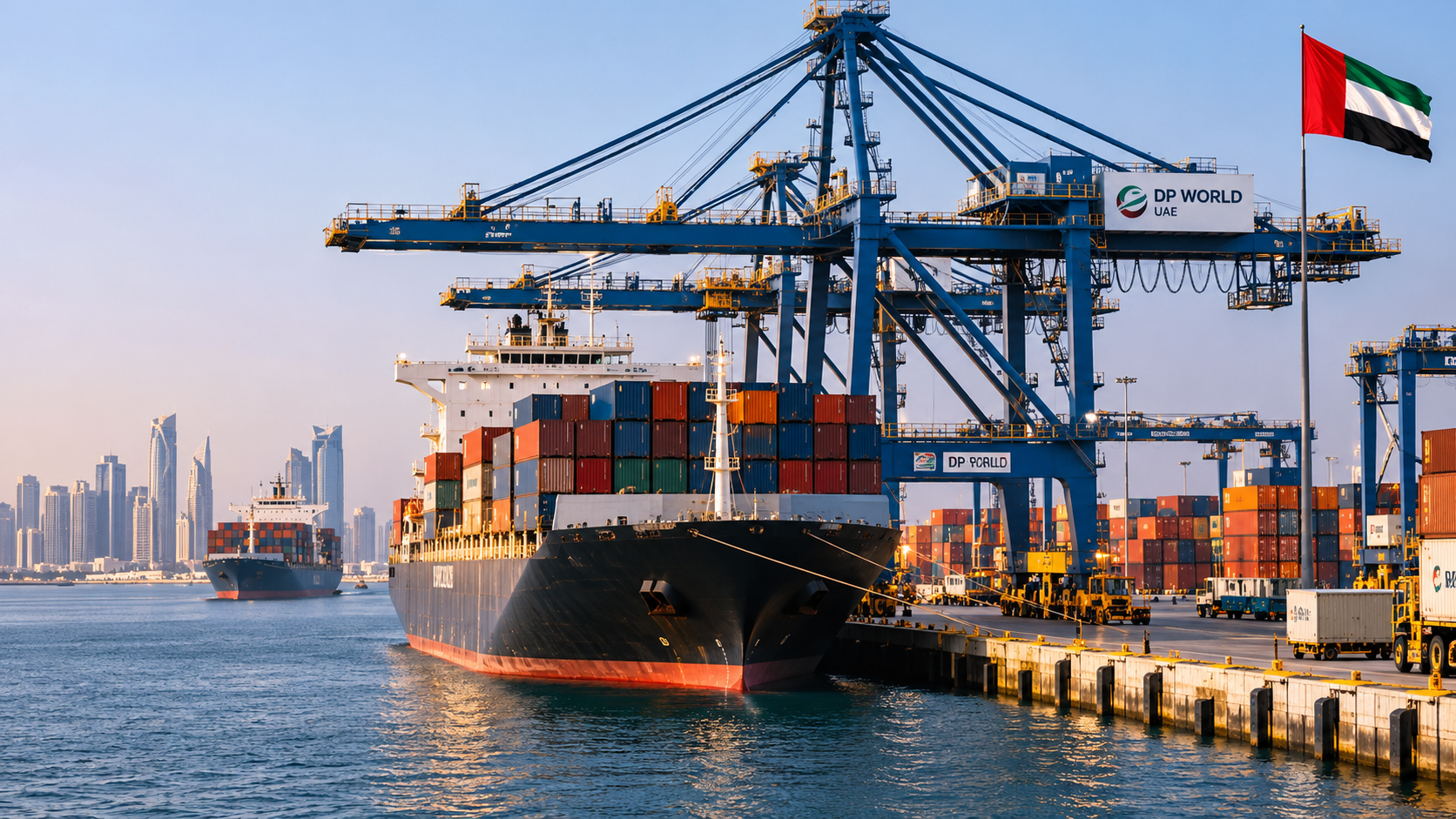
UAE Trade Keeps Double-Digit Growth Through the First Nine Months of 2026
Foreign Trade Under-Secretary Fahad Al Gergawi says UAE trade has grown at a double-digit pace through the first nine months of 2026 despite global and regional pressures. Non-oil trade topped $1 trillion in 2025, and officials expect further growth this year.
The UAE's trade engine has kept running hot in 2026, even as the region has endured one of its most turbulent years in recent memory.
Fahad Al Gergawi, Under-Secretary of the Ministry of Foreign Trade, said the country's trade continued to record double-digit growth in the first nine months of the year, despite challenges facing global trade, according to the Emirates News Agency (WAM). He added that the UAE's foreign trade reached approximately $1 trillion last year and that further growth is expected in 2026.
The numbers behind the claim
Official figures show the UAE's non-oil foreign trade reached about Dh3.8 trillion, or $1.03 trillion, in 2025. That was a rise of 27 per cent on the previous year and 44.3 per cent above 2023. It was the first time non-oil trade had crossed the $1 trillion threshold. The final quarter of 2025 alone reached Dh1.1 trillion, a first for a single quarter, with growth of 33.1 per cent, according to TradeArabia.
This year's momentum has continued. In the first half of 2026, non-oil foreign trade hit Dh1.937 trillion, a historic high, Khaleej Times reported, and Al Gergawi said he expected "more growth this year". He acknowledged that the regional conflict earlier in 2026 and continuing tensions have created headwinds, but said the numbers remain in double digits for the first nine months.
Non-oil trade is the measure officials watch most closely because it strips out hydrocarbons and shows how far the economy has diversified. Sustained growth on that basis, in a year of regional conflict, is the point the ministry wants to stress.
What is driving it
Al Gergawi pointed to the Comprehensive Economic Partnership Agreements (CEPAs) as a key pillar of the strategy. The UAE has concluded these agreements with 36 countries so far, according to Zawya, and officials credit them with opening markets and lowering barriers for exporters. At the Make it in the Emirates event in Abu Dhabi earlier this year, Al Gergawi said the agreements target a group of markets covering around three billion people.
India offers a telling example. It signed first, and Al Gergawi has said trade between the two countries has risen about 37 per cent since the agreement took effect, to more than $106 billion.
The UAE also ranks among the world's top ten countries in trade facilitation, WAM reported, and is the largest trading nation in the Arab world. Al Gergawi stressed that the UAE will keep diversifying its partnerships, developing trade corridors and improving the efficiency of its financial and logistics systems.
A target within sight
The trade numbers are also nudging the UAE towards an ambitious goal. The government aims to lift non-oil foreign trade to Dh4 trillion by 2031. With the 2025 figure of Dh3.8 trillion, the country was already around 5 per cent short of that target, according to Arab News, which means the goal could be reached well ahead of schedule if current growth holds.
Resilience under pressure
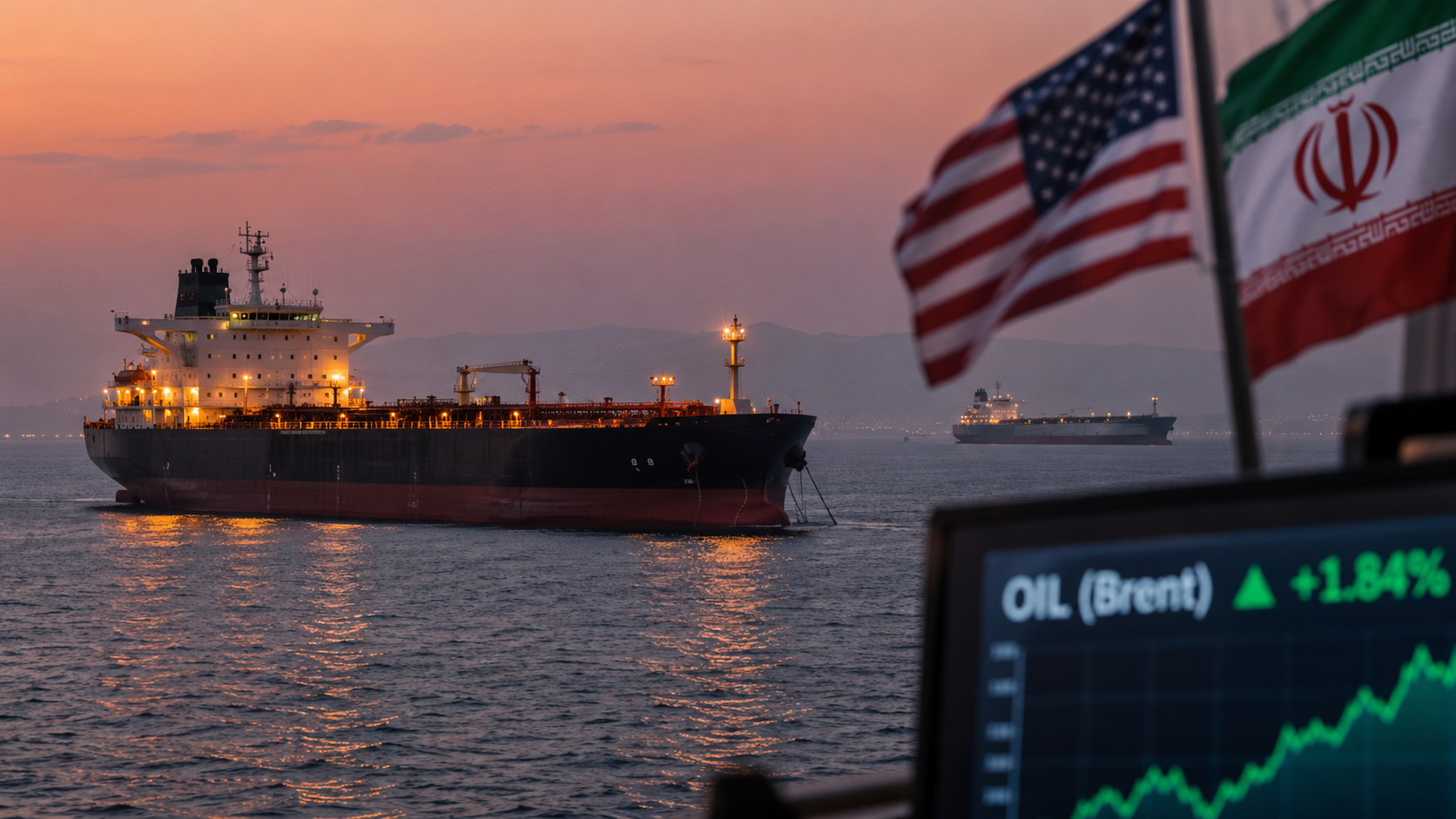
The strong figures arrive at a testing time. Shipping through the Strait of Hormuz has been sharply reduced, with Gulf News citing tracking data showing just five commodity vessels on one recent day, compared with more than 130 a day before the war. War-risk insurance and freight rates have also risen. Several airlines are only gradually resuming Gulf services.
Against that backdrop, the continued growth of UAE trade suggests that businesses have found ways to adapt, through diversified routes, a broader range of partners and a logistics network that stretches beyond a single chokepoint. In March, Al Gergawi told a global conference that restrictive trade measures risk fragmenting the world economy and raising inflation and unemployment, arguing that the UAE's openness and integration into global supply chains can serve as a model.
What to watch
Three questions will shape the final quarter. First, whether any breakthrough in US-Iran diplomacy eases shipping risks. Second, whether new CEPAs add fresh markets. Third, whether trade growth is broad-based across sectors or concentrated in a few. For importers, exporters and consumers alike, the answers will determine whether double-digit growth can be sustained into 2027.
For now, the message from the Ministry of Foreign Trade is one of confidence. The data suggest that, despite the pressures, the UAE's position as a global trading hub has remained firmly intact.
Leave a comment
Your email address will not be published. Required fields are marked *