
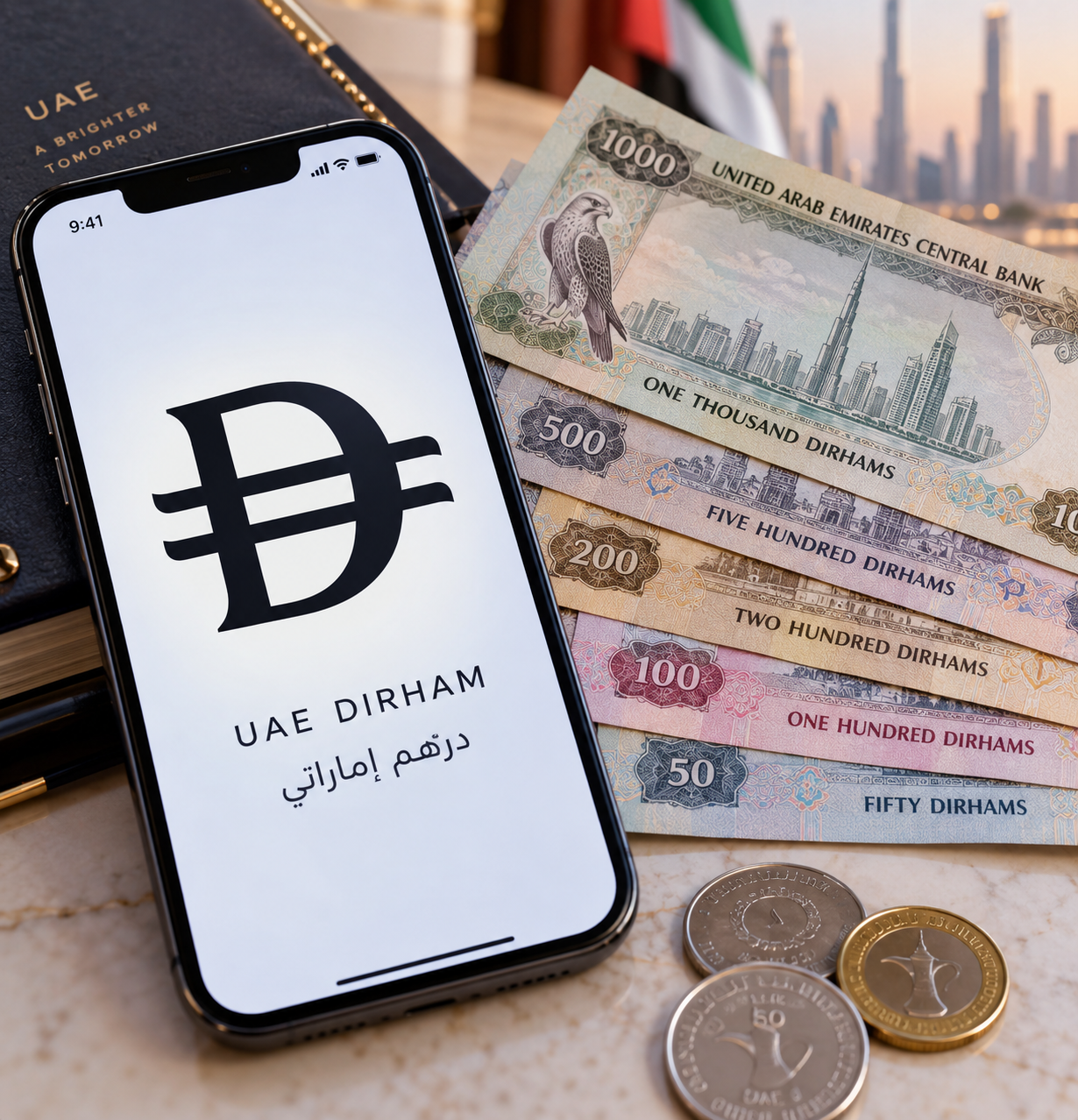
UAE Dirham Symbol Officially Recognized by Unicode in Digital Milestone
The UAE dirham has secured a permanent place in the digital world after its official currency symbol was formally added to the Unicode Standard, the global system that governs how text and characters render across devices worldwide. The move paves the way for the symbol to appear natively in apps, websites and keyboards.
Dirham Symbol Joins Global Digital Standard
In a milestone for the UAE's digital and financial identity, the official symbol for the dirham has now been formally incorporated into Unicode, the international organization responsible for standardizing how text, emojis and characters are displayed consistently across computers, phones and software platforms worldwide.
The addition means the dirham symbol can now be rendered natively across operating systems, keyboards, websites and applications without relying on workaround images or substitute characters — a technical detail that carries outsized significance for a currency used in millions of daily transactions across one of the world's busiest financial and trading hubs.
Why Unicode Recognition Matters
For everyday users, the practical impact may seem subtle at first glance. But for developers, banks, e-commerce platforms and government digital services, Unicode recognition is a foundational step. It means the dirham symbol can be typed directly from a standard keyboard layout, displayed correctly in emails, spreadsheets, invoices and receipts, and used consistently across every major digital platform, from smartphones to point-of-sale systems, without the formatting inconsistencies that currency symbols lacking Unicode status often face.
Other major global currencies — the dollar, euro, pound and yen among them — have long benefited from this kind of universal digital recognition. The dirham's addition effectively puts it on the same technical footing, reinforcing its identity as it appears in digital wallets, banking apps and international financial platforms increasingly used by both residents and global businesses operating in or through the UAE.
Part of a Broader Digital Currency Push
The Unicode milestone arrives as the UAE continues to modernize its financial infrastructure more broadly, including ongoing work around a digital dirham initiative aimed at expanding central bank digital currency capabilities. While the Unicode symbol itself is a separate technical achievement from any digital currency rollout, the timing reflects a broader institutional push to strengthen the dirham's presence and legibility across digital financial systems, both domestically and internationally.
Analysts covering fintech and digital infrastructure in the region note that symbol standardization, while easy to overlook, plays a meaningful role in how confidently a currency can be represented in cross-border commerce, software development and financial reporting — areas where the UAE has been investing heavily as it positions Dubai and Abu Dhabi as global fintech and digital economy hubs.
What Comes Next
With the symbol now formally recognized, software developers and platform operators are expected to begin rolling out updated keyboards, fonts and display formats that incorporate it over the coming months, a process that typically unfolds gradually as operating systems and applications release standard updates.
For UAE businesses, banks and government digital services, the change offers an opportunity to standardize how the dirham appears across customer-facing platforms, potentially reducing the kind of formatting inconsistencies that have occasionally cropped up in invoices, apps and financial statements that previously relied on approximations or images rather than a true, universally recognized character.
While it may not make headlines the way major economic announcements do, the dirham's arrival on the Unicode Standard is a quiet but meaningful step in cementing the currency's digital identity on the world stage one keystroke at a time.


Leave a comment
Your email address will not be published. Required fields are marked *