
UAE Backs Diplomacy but Prepares for Escalation as Hormuz Risks Linger
The UAE says it wants a diplomatic path out of the regional confrontation but is prepared for the worst, as a tanker was struck off Oman and Washington weighs strikes, a deal or sustained pressure. There is no new evacuation order or airport closure in the UAE today, and residents are urged to rely on official announcements.
The United Arab Emirates is pressing for diplomacy while preparing for the possibility that it fails, a stance that captures the mood across the Gulf as the confrontation involving Iran, the United States and Israel enters another uncertain week.
UAE presidential adviser Anwar Gargash said this week that the country wants a diplomatic solution but is "braced for the worst," according to Gulf News reporting. The same coverage described strengthened Gulf defences and warnings from some Arab states that attacks on their infrastructure could prompt individual or collective retaliation.
Nothing has changed inside the UAE today
For residents, the immediate message is one of continuity. There is no new UAE-wide evacuation instruction and no blanket airport closure for 5 November. Authorities and media outlets alike have urged people to follow official UAE announcements rather than circulate unverified footage or social media warnings, and to keep travel documents, booking details and emergency contacts easy to reach.
A tanker incident near Oman
The risk at sea, however, remains real. The UK Maritime Trade Operations agency reported that a tanker was hit by two unidentified projectiles roughly 14 nautical miles north-east of Oman on Tuesday. The engine room was struck, but there were no casualties and no environmental damage. The notice did not say who was responsible.
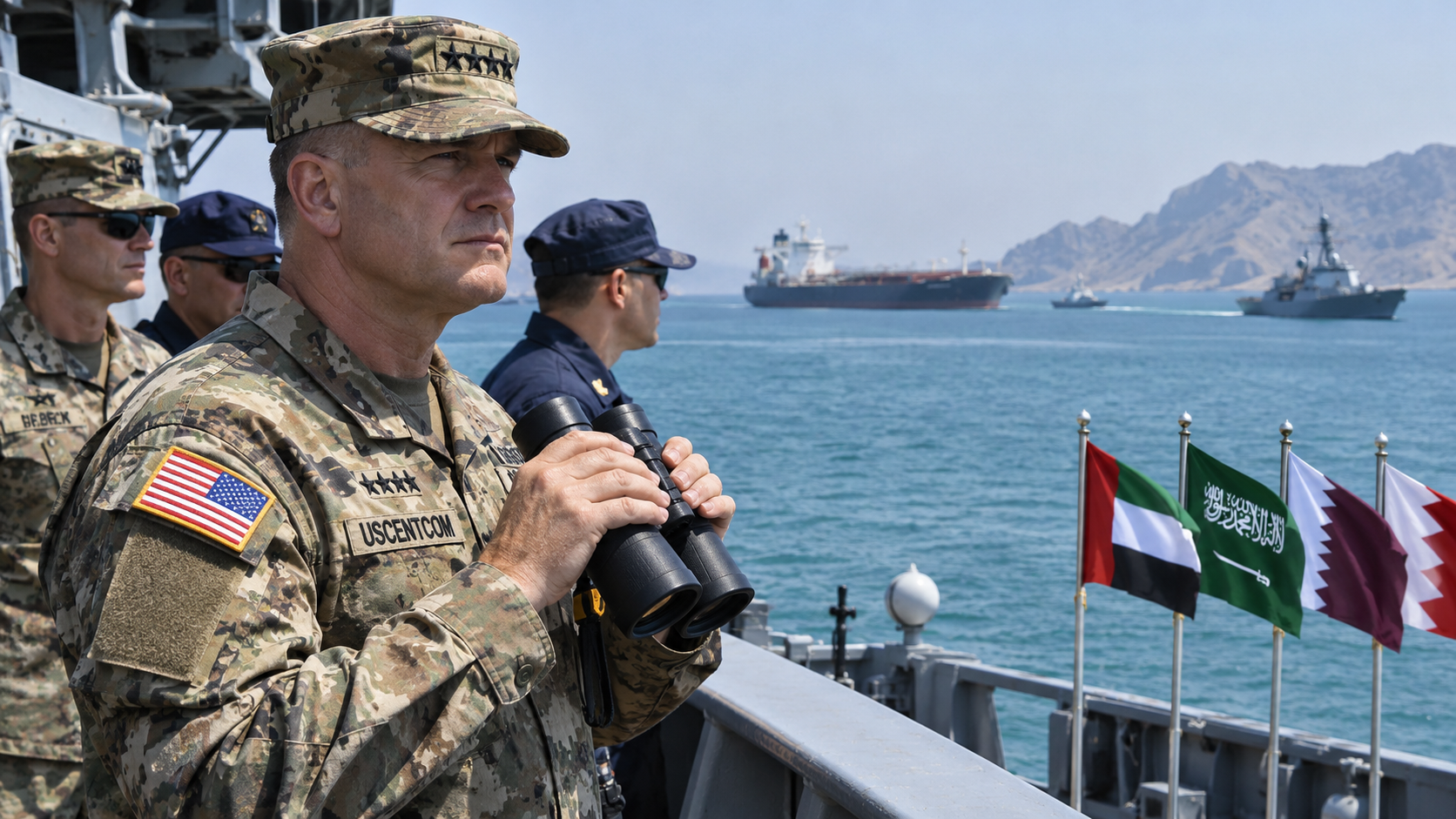
The incident followed a claim from Iran's Islamic Revolutionary Guard Corps that three tankers exploded after hitting naval mines while crossing the waterway without permission. That claim has not been independently verified in the reports reviewed for this article. Separately, US Central Command's commander, Brad Cooper, visited the Strait of Hormuz and said the transit routes were free and clear of Iranian mines.
Traffic data cited in recent reporting shows how thin movement has become: only five commodity vessels were recorded passing through Hormuz on Saturday and none on Sunday, compared with more than 130 daily transits before the conflict.
Washington weighs its options
The diplomatic and military tracks are moving at the same time. Axios reported that President Donald Trump is weighing three broad choices after the Republican midterm defeats: resuming military strikes, negotiating an agreement, or maintaining the naval blockade and economic pressure. No final decision has been reported.
According to that account, Vice President JD Vance favours a deal rather than restarting major operations, while other senior advisers lean towards keeping up economic and naval pressure. US military officials say preparations for possible major combat are being completed, even as Qatari mediators work on a draft agreement meant to prevent renewed fighting and possibly revive direct talks.
On the other side, Iran says it has prepared a "maximum deterrence" plan in case of any new US attack and has reportedly widened its list of potential targets to US and Israeli assets across a broader area.
Politics at home feed the debate
The election result has sharpened the argument in Washington. Vance said the Republican losses came down to the war, while former White House press secretary Ari Fleischer argued that the problem was the ceasefire. The split suggests that political pressure is pushing in two directions at once, towards talks and towards escalation, rather than towards a single agreed way out.
Reports have also said Trump asked advisers whether Defence Secretary Pete Hegseth should remain in his post. Trump publicly defended him as doing a very good job, and no replacement decision has been reported. For Gulf residents, such developments say more about decision-making in Washington than about any change in military policy.
Other regional moves
South Korea is considering expanding its Cheonghae anti-piracy mission from the Gulf of Aden into waters south of Oman. The proposal would add 75 personnel, bringing the unit to 395, along with a maritime patrol aircraft, an explosive ordnance disposal team and unmanned mine-clearing systems. Officials describe it as a non-combat deployment, and the aircraft would be barred from monitoring Iranian territory or the interior of Hormuz. Cabinet endorsement is expected next week, followed by a parliamentary vote.
In Yemen, claims by the Houthis of attacks on Saudi airports and military sites continue, though several of those claims have lacked Saudi or independent confirmation.
What to watch
The key signals in the coming days are straightforward. Observers will look for confirmation that a Qatar-brokered framework has been accepted, for any shift from military preparation to actual orders, and for evidence that ships are moving through Hormuz in larger numbers. Until then, the UAE's position is likely to stay as it is now: open to talks, ready for escalation.


Leave a comment
Your email address will not be published. Required fields are marked *