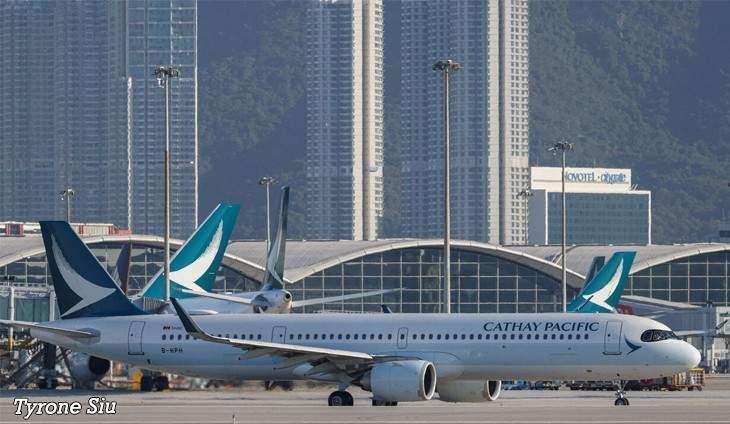
Cathay Pacific Extends Flight Suspensions to Dubai and Riyadh Until May 31 Amid Middle East Conflict
Hong Kong-based carrier Cathay Pacific has extended the suspension of its flights to key Middle Eastern destinations, including Dubai and Riyadh, as ongoing regional instability continues to disrupt air travel. The airline has now pushed the suspension deadline further, with services expected to remain halted until May 31, reflecting growing concerns over safety and airspace security.
The decision comes amid escalating tensions in West Asia, particularly due to the ongoing conflict involving Iran and its wider regional impact. Airlines across the globe have been forced to reassess their operations in the region, with many avoiding Middle Eastern airspace altogether as a precautionary measure. Cathay Pacific said passenger and crew safety remains its top priority, prompting the extension of cancellations.
Initially, the airline had suspended flights to Dubai and Riyadh only for a short duration in early March. However, as the situation worsened and uncertainties persisted, the suspension was first extended to the end of March. Now, with no clear signs of de-escalation, the airline has opted to prolong the halt until the end of May, aligning with similar decisions taken by other international carriers.
The disruption is part of a broader aviation crisis affecting the region. Several major airlines have either reduced or completely suspended services to destinations such as Dubai, Riyadh, and other Gulf cities. The conflict has led to partial airspace closures, increased risks to commercial flights, and frequent rerouting of aircraft, all of which have significantly impacted global travel networks.
Passengers booked on affected routes have been offered flexible options by Cathay Pacific, including the ability to rebook flights, choose alternative destinations, or request full refunds without additional charges. The airline has also advised travelers to stay updated through its official website or customer service channels, as schedules may continue to change depending on how the situation evolves.
In response to the cancellations, the airline is adjusting its network by increasing capacity on other routes, particularly to Europe and Asia. This is aimed at accommodating passengers who are being rerouted due to the suspension of Middle Eastern services. Industry experts note that such adjustments are becoming common as airlines attempt to manage demand while avoiding high-risk zones.
The impact of the suspensions extends beyond passenger inconvenience. Dubai, in particular, serves as a major global transit hub connecting Europe, Asia, and Africa. The absence of direct flights has disrupted travel plans for thousands of passengers and increased reliance on alternative routes, often resulting in longer travel times and higher ticket prices. Travelers who previously relied on Dubai as a connecting point are now being rerouted through hubs in Doha, Istanbul, or Southeast Asia.
The broader aviation sector has also felt the ripple effects. With multiple airlines suspending operations, flight availability has decreased, leading to a surge in fares on unaffected routes. Additionally, longer flight paths—used to bypass restricted airspace—have increased fuel consumption and operational costs for airlines. This, in turn, has put upward pressure on ticket prices across the industry.
Security concerns remain the primary driver behind these decisions. Recent incidents, including missile and drone activity in parts of the Gulf region, have heightened fears about the safety of civilian aircraft. Airlines are therefore taking a cautious approach, choosing to suspend services rather than risk potential exposure to conflict zones. Several carriers have also reported that insurance premiums for flights through the region have increased substantially.
Despite the challenges, airlines continue to monitor the situation closely. Cathay Pacific has indicated that it will review its flight schedules regularly and resume services only when it is deemed safe to do so. However, with tensions still high, there is uncertainty over when normal operations will fully resume. The airline has also been coordinating with aviation authorities and industry partners to stay informed about airspace conditions.
Also Read: Badshah Marries Again? Viral Wedding Pictures with Actress Isha Rikhi Spark Social Media Buzz
In summary, the extension of flight suspensions until May 31 highlights the severity of the ongoing crisis in the Middle East and its far-reaching impact on global aviation. As airlines prioritize safety, travelers may continue to face disruptions, delays, and rerouting in the months ahead. For passengers planning travel to or through the Gulf region, staying informed through airline communications and booking flexible fares is more important than ever. The situation remains fluid, and further extensions or adjustments to flight schedules cannot be ruled out if regional tensions persist.