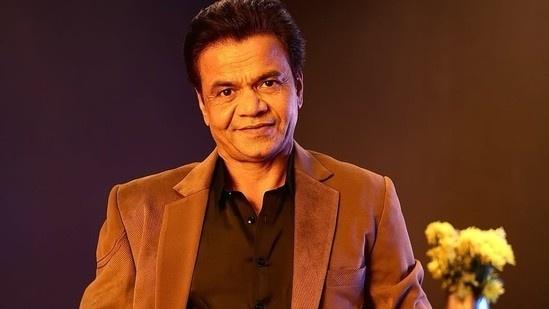
Rajpal Yadav Granted Interim Bail in ₹9 Crore Cheque Bounce Case, Calls for Smoking Zones in Indian Jails
New Delhi, India — Veteran Bollywood actor Rajpal Yadav, known for his memorable comic roles over more than two decades, has once again become the focus of public and media attention—not for a film, but for his legal woes and unusual comments following his recent release from jail. After spending time behind bars in connection with a long-pending ₹9 crore cheque bounce and debt case, the Delhi High Court granted Yadav interim bail until March 18, 2026, on humanitarian grounds, setting off a flurry of reactions from the actor and the wider entertainment industry.
Interim Bail in a Long-Running Case
The legal saga that led to Yadav's incarceration dates back more than a decade. Prosecutors allege that the actor failed to repay loans backed by post-dated cheques, resulting in bounced payments and a ₹9 crore liability. After the Delhi High Court rejected his initial plea for more time to settle the amounts owed, Yadav surrendered to authorities at Tihar Jail earlier this month.
On February 17, the High Court suspended his sentence, allowing Yadav to walk out of jail on interim bail, subject to him depositing ₹1.5 crore in the complainant's account and furnishing a bail bond of ₹1 lakh with a surety. His next hearing is scheduled for March 18, by which time he is expected to arrange payment of the remaining amount if he hopes to avoid returning to custody.
The court's decision to grant interim bail on humanitarian grounds took into account the actor's personal circumstances and his willingness to comply with legal procedures. However, the substantial outstanding amount remains a significant hurdle, and Yadav's legal team will need to work diligently to resolve the matter before the next hearing.
Expressions of Gratitude and Support
Upon his release, Yadav publicly thanked the nation, his fans, and the Bollywood fraternity for their overwhelming support during this difficult period. Many fellow actors—including Sonu Sood and Gurmeet Choudhary—reportedly extended financial and moral support, urging others to help as well.
Sonu Sood, known for his extensive philanthropic work, has been particularly vocal in supporting struggling colleagues. His offer to provide acting opportunities and financial assistance to Yadav reflects a broader spirit of solidarity within the industry when one of its own faces adversity.
In his initial statements to the press, the 56-year-old actor expressed relief at being granted bail and reiterated his willingness to face all legal proceedings as required. He has stressed that he is available to answer any allegations against him and remains committed to resolving the case through proper legal channels.
Yadav's gratitude extended beyond the film industry to the general public, whose support he said gave him strength during his darkest moments. His fans, many of whom grew up laughing at his comic performances, have followed his legal troubles with concern and hope for a positive resolution.
A Call for Prison Reform
But what has captured public imagination—and sparked a mix of amusement and debate—is Yadav's unconventional suggestion regarding the prison system. Speaking to reporters at his ancestral village in Shahjahanpur district, he said that Indian jails should be modernised to include designated smoking areas, similar to those found in airports and railway stations. According to the actor, such facilities would help make prison life more humane, especially for inmates who smoke.
"There should be designated smoking zones inside jails, like in airports and railway stations," he told the press, insisting that his remarks were not meant to promote tobacco use but to highlight a need for improved facilities. Yadav added that he had struggled to quit smoking himself and felt existing prison infrastructure failed to meet contemporary standards.
The actor's proposal, while seemingly specific, touches on broader questions about prison conditions and the rights of inmates to basic amenities. Smoking zones, he suggested, would represent just one aspect of a more humane approach to incarceration that recognises prisoners as human beings deserving of dignity.
Beyond smoking areas, Yadav expanded his remarks to broader jail reform. He argued that prisons should function primarily as reform and rehabilitation centres, not solely as punitive institutions. Drawing attention to inmates who have been imprisoned for minor or one-time mistakes, he suggested structured opportunities should be provided for them to reintegrate into society once they demonstrate genuine change.
"It's often difficult to judge from the outside who is a hardened criminal and who simply made a mistake," he said, pointing to cases where individuals spend long stretches behind bars without due consideration of their conduct or potential for reform.
His comments highlight a tension within the criminal justice system between punishment and rehabilitation. For many inmates, particularly those convicted of non-violent offences, the experience of imprisonment can be counterproductive, exposing them to hardened criminals and reducing their chances of successful reintegration into society.
Reactions and Media Commentary
Yadav's proposal for smoking zones inside prisons quickly became a talking point on social media and in newsrooms, with commentators divided over whether his remarks were earnest calls for systemic change or light-hearted commentary born of personal experience. Some observers appreciated his attention to prison infrastructure and the broader argument for humane reform, while others questioned the focus on smoking areas amid more urgent concerns such as overcrowding, health care, and rehabilitation programs.
Social media reactions ranged from supportive to skeptical:
Some users praised Yadav for using his platform to highlight prison conditions, noting that celebrities often avoid discussing such sensitive topics. Others found the smoking zone proposal oddly specific and wondered whether the actor was deflecting from his own legal troubles.
Legal experts pointed out that while Yadav's suggestions may seem idiosyncratic, they touch on genuine issues within India's prison system. Overcrowding, inadequate healthcare, limited rehabilitation programs, and poor infrastructure are well-documented problems that successive governments have struggled to address.
The actor himself clarified that he would temporarily step back from media interactions due to a family wedding, but promised to address additional questions at a later press conference. He also emphasised his identity as an Indian citizen rooted in his village, stating that he sought time, not sympathy, as he worked through his legal challenges.
Industry Support and Solidarity
Throughout his legal ordeal, Yadav has received significant support from colleagues in the film industry. The Federation of Western India Cine Employees (FWICE) had earlier appealed to production houses and fellow actors to extend financial and moral support, reinforcing the idea that the film community is a close-knit ecosystem in times of need.
Several actors have reportedly offered Yadav work opportunities, ensuring that he can earn a livelihood while addressing his legal obligations. This practical support may prove as valuable as financial assistance, helping the actor rebuild his career and reputation.
Looking Ahead
As Yadav navigates the next phases of his court case, his public statements—both earnest and unconventional—continue to keep him in headlines. Whether his remarks will have any influence on discourse around prison reform remains uncertain, but they have undoubtedly sparked debate about how the criminal justice system in India could evolve to balance punishment with rehabilitation and dignity.
The March 18 hearing will be crucial. By that date, Yadav must demonstrate progress in resolving the outstanding ₹7.5 crore balance or risk returning to custody. His legal team is reportedly working on multiple fronts to arrange the necessary funds and reach a settlement with the complainant.
In the meantime, the actor remains out of jail, preparing for the next legal hearing and, as he has said, planning to address the media more comprehensively in the days to come. His supporters hope that this chapter of his life will soon close, allowing him to return to what he does best: making audiences laugh.
Also Read: Dubai South Unveils Strategic Aviation Support Centre to Boost Aircraft Repair Capabilities
Conclusion: A Comedian's Serious Message
Rajpal Yadav's journey from Tihar Jail to freedom, and his subsequent calls for prison reform, offer an unexpected twist in a story that began as a financial dispute. Behind the unusual proposal for smoking zones lies a more serious message about human dignity, rehabilitation, and the need for a justice system that looks beyond punishment.
Whether his comments will lead to any tangible change remains to be seen. But they have succeeded in drawing attention to an issue that rarely makes headlines: the conditions inside India's prisons and the lives of those confined within them.
For now, Yadav enjoys his freedom, grateful for the support he has received and determined to resolve the legal challenges that remain. His fans, meanwhile, await his return to the screen, hoping that the man who brought them so much laughter will soon be laughing again himself.
Bail granted. Prison reform proposed. A comedian's serious message.