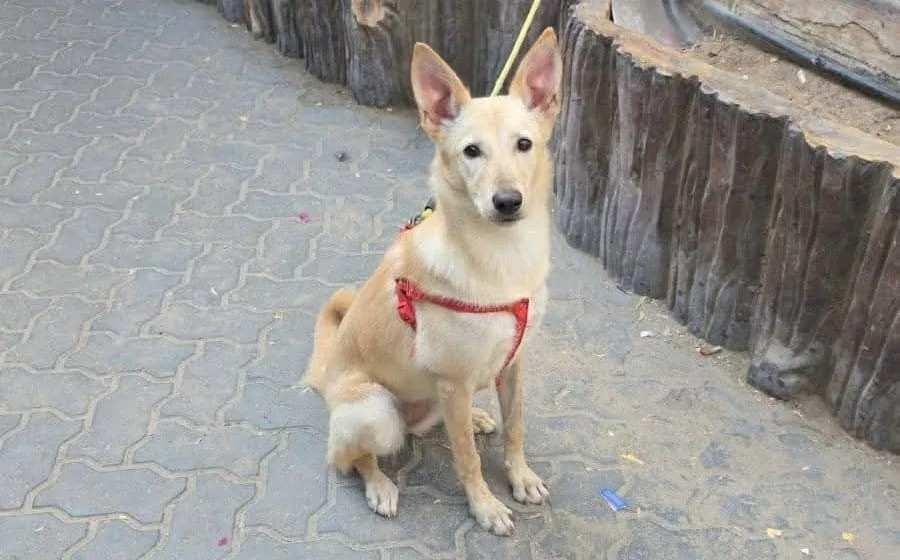
Pets Abandoned in Dubai as Expatriates Flee Iran Conflict: Dogs Tied to Poles, Kittens Left in Boxes
Dubai, UAE — As tensions escalate across the Middle East, a troubling humanitarian issue involving animals has emerged in Dubai, where a growing number of pets are reportedly being abandoned as expatriates rush to leave the region, leaving behind helpless animals. Animal welfare groups and veterinarians say the streets are seeing a surge of stray animals, including dogs tied to poles and kittens left in boxes, as residents flee the ongoing crisis with little regard for their former companions.
Pets Left Behind Amid Panic Departures
According to reports from local veterinarians and animal rescue groups, many expatriates leaving Dubai due to the regional conflict are abandoning their pets in the rush to evacuate, often without any notice. Some animals have been found tied to street poles or lamp posts, left to fend for themselves in unfamiliar surroundings.
Others have been left in cardboard boxes outside shelters or residential buildings, with notes hastily attached explaining the circumstances. Animal activists say the number of abandoned pets has risen sharply over the past week as the security situation worsened and travel disruptions forced many residents to make hurried departure plans.
Many pet owners reportedly lacked the time or paperwork required to relocate their animals to another country, leading to heartbreaking decisions.
Disturbing Requests at Veterinary Clinics
Veterinary clinics across the city have also reported a surge in distressing requests from owners asking whether their healthy pets could be euthanised because they cannot take them along when leaving the country. Veterinarians say such requests have sparked outrage among animal lovers and welfare organisations, who view them as a betrayal of the human-animal bond.
Shelters and Volunteers Overwhelmed
Animal shelters and rescue volunteers say they are struggling to cope with the sudden influx of abandoned pets, which has overwhelmed their limited resources. Volunteers report receiving dozens of calls and messages each day from people asking them to take in animals they can no longer care for, often with little notice.
Rescue workers say some animals are being left outside their homes or shelters with notes from owners explaining they are returning to their home countries because of the conflict. In several cases, animals have been discovered wandering alone in parks or residential neighbourhoods after being released by their owners, confused and frightened.
One volunteer described the situation as heartbreaking, noting that many pets appear confused and frightened after being abandoned by the families they trusted. Animal welfare groups warn that without immediate rescue, many of these animals could face dehydration, starvation, or injuries while surviving on the streets.
Travel Rules Complicate Relocation
One of the major reasons cited for the growing number of abandoned pets is the complex process required to transport animals internationally, which many owners didn't anticipate. Moving a pet out of the United Arab Emirates often requires vaccinations, health certificates, and other documentation that can take weeks to arrange.
For example, pets typically require a valid rabies vaccination followed by a waiting period before they can travel to certain countries. With flights disrupted and residents trying to leave quickly, many owners say they simply cannot complete the process in time.
In addition to paperwork, the cost of relocating pets abroad can be high, including airline fees, quarantine arrangements, and veterinary expenses. These financial and logistical challenges have led some owners to make the controversial decision to abandon their animals rather than delay their departure.
Public Outrage and Calls for Responsibility
News of pets being left behind has sparked strong reactions on social media, where many users have criticised the behaviour as irresponsible and cruel. Animal welfare advocates argue that owning a pet carries a lifelong responsibility, even during times of crisis.
Some expatriates have also spoken out to say they would never leave their pets behind, insisting they would rather stay longer in the country or delay travel than abandon their animals.
Authorities Step In
In response to the growing problem, Dubai Municipality and local animal welfare groups have stepped up rescue efforts to collect abandoned animals from streets and relocate them to shelters or foster homes, providing urgent care.
Officials are urging residents who plan to leave the country to make proper arrangements for their pets, including contacting shelters or arranging safe relocation instead of abandoning animals.
Also Read: India Invokes Emergency Powers to Boost LPG Production Amid Middle East Conflict Threatening Imports
Conclusion
As the regional crisis continues, animal welfare organisations warn that the situation could worsen unless more support and awareness campaigns are launched. For many rescue volunteers, the focus now is on saving as many abandoned pets as possible and finding them new homes before they fall victim to the harsh conditions of life on the streets.
Dogs tied to poles, kittens in boxes—Dubai's expats flee war, leaving their pets behind. A city of luxury becomes a graveyard of abandoned loyalty.