UAE Real Estate Faces Geopolitical Test as Iran Missile Attacks Shake Investor Confidence
Dubai, UAE — The booming real estate market of the United Arab Emirates is facing a new test after Iranian missile and drone strikes shook parts of the Gulf, raising concerns about whether the region's long-standing image as a safe haven for investors can withstand geopolitical turmoil. Analysts say the conflict could challenge the country's property sector, which has enjoyed several years of rapid growth driven by global investors and wealthy migrants seeking stability and opportunity.
For years, cities such as Dubai and Abu Dhabi have marketed themselves as stable business hubs insulated from the conflicts that frequently affect the wider Middle East, building a reputation on security. However, the recent wave of Iranian attacks across Gulf states has rattled that perception and introduced a new level of uncertainty for property buyers and developers who had come to take safety for granted.
The Conflict's Arrival
The escalation began after military strikes by the United States and Israel on Iranian targets triggered retaliation from Tehran, bringing the war directly to the Gulf. In response, Iran launched hundreds of missiles and drones toward Gulf states, including the UAE, causing damage and casualties despite most projectiles being intercepted by air-defence systems.
Although the physical damage inside the UAE has been relatively limited, the psychological impact on investors may be more significant in the long run. Real estate in the country—especially in Dubai—has thrived largely because of its reputation for security, stability, and economic openness.
Analysts warn that if regional tensions persist, that reputation could face increasing scrutiny from global investors who have many choices for where to place their money.
Dubai's Property Boom at Risk
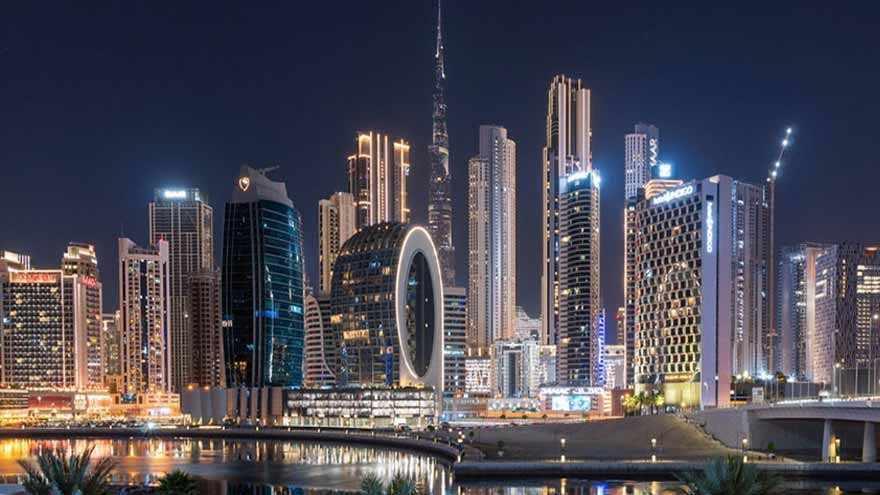
Dubai's property market has been on a remarkable run in recent years, defying expectations. Luxury apartments and villas have seen soaring demand from international buyers, including entrepreneurs, financial professionals, and high-net-worth individuals seeking a tax-friendly and business-friendly environment with world-class amenities.
The emirate has also benefited from an influx of millionaires relocating from Europe, Asia, and Russia, which helped push real estate prices and sales volumes to record levels, creating a virtuous cycle of growth.
However, experts note that real estate markets are highly sensitive to geopolitical risk, perhaps more than other asset classes. Even if the direct damage from attacks remains limited, prolonged instability could slow property transactions as buyers adopt a "wait-and-see" approach rather than committing capital.
Investors who previously viewed Dubai as a neutral and secure destination may reassess their exposure if the conflict expands or persists, potentially shifting their focus elsewhere.
Early Warning Signs
Some early warning signs are already visible in broader financial markets, indicating broader concerns. Stocks in the UAE dropped when trading resumed after a temporary halt triggered by the attacks, reflecting investor anxiety about the economic consequences of the escalating conflict.
The strikes have also disrupted other sectors closely linked to real estate, including tourism, aviation, and retail, creating a cascade of effects. Flight cancellations, temporary airspace closures, and infrastructure damage have affected travel to the Gulf, potentially reducing the flow of visitors and business travellers who often drive demand for property investments and short-term rentals.
Resilience Factors
Still, many analysts believe the UAE's property market has strong fundamentals that could help it weather the crisis, providing a buffer against shocks. The country's diversified economy, favourable tax policies, and large expatriate population continue to attract global capital despite the headlines.
Government authorities have also built extensive infrastructure and introduced investor-friendly regulations that support long-term growth in the real estate sector, creating a resilient ecosystem.
Developers and property consultants say the key factor will be how long the regional conflict lasts. If tensions ease quickly, the recent disruptions may prove to be only a temporary setback, quickly forgotten.
But if attacks continue or spread further across the Gulf, investor sentiment could shift more significantly, putting pressure on property prices and sales volumes.
Also Read: Dubai Airport's "15-Phone Rule" Explained: What Travellers Need to Know About Carrying Electronics
Conclusion
For now, the UAE's real estate boom remains intact, but the geopolitical shock has highlighted a vulnerability that had rarely been tested before. As the conflict unfolds, the coming months may determine whether the country's property sector can maintain its reputation as one of the world's most attractive investment destinations.
Dubai property boom meets geopolitical reality. Investor confidence hangs in the balance as missiles fly.