How to Stop Winter Hair Fall: 8 Proven Tips for a Healthier Scalp
Many people notice more hair in their brush or shower drain during the colder months. This seasonal increase in shedding, known as winter hair fall, is a common but manageable concern. It’s primarily triggered by the harsh combination of cold, dry outdoor air and dehydrating indoor heating, which strips moisture from your scalp and hair, leading to dryness, brittleness, and breakage.
The good news? You can combat this seasonal cycle. By adapting your hair care routine to the winter environment, you can minimize shedding and maintain strong, healthy hair. Here are eight proven, dermatologist-recommended strategies to stop winter hair fall.
1. Revitalize with Regular Scalp Oil Massages
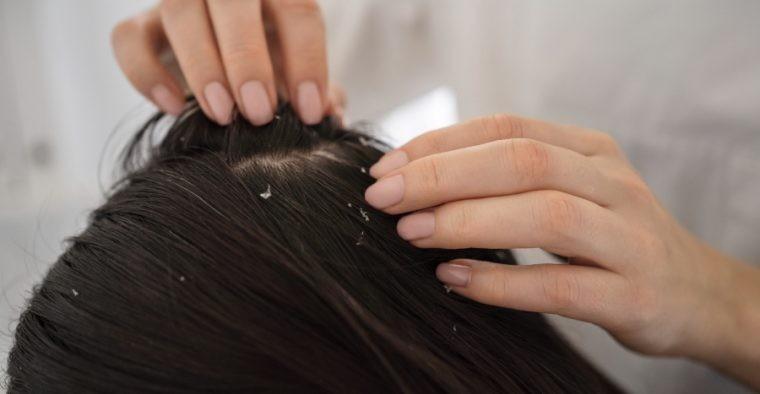
A dry, flaky scalp is a major culprit behind winter shedding. Weekly oil massages are a cornerstone of preventive care.
- How to Do It: Gently warm coconut, almond, or argan oil. Massage it into your scalp for 5-10 minutes to stimulate blood flow. Leave it on for 30-45 minutes (or overnight) before washing.
- Why It Works: This practice deeply hydrates the scalp, strengthens hair roots, and reduces breakage caused by dryness.
2. Switch to a Moisturizing, Gentle Hair Wash Routine
Your regular shampoo might be too harsh for winter’s delicate balance.
- Product Choice: Opt for sulfate-free shampoos and rich, creamy conditioners with ingredients like shea butter, argan oil, or hyaluronic acid.
- Technique: Always follow shampoo with conditioner, focusing on the mid-lengths and ends to seal moisture and prevent tangles—a key source of breakage.
3. Ban Hot Water & Minimize Heat Styling
The comfort of a hot shower is a trap for your hair’s health.
- Water Temperature: Wash hair with lukewarm water and finish with a cool rinse to seal the hair cuticle, boosting shine and locking in moisture.
- Heat Tools: Reduce use of blow dryers, straighteners, and curling irons. When necessary, always apply a heat protectant spray and use the lowest effective temperature setting.
4. Wash Less & Handle Wet Hair with Care
Over-washing exacerbates dryness by stripping natural oils.
- Frequency: Limit hair washing to 1-2 times per week in winter.
- Post-Wash Care: Wet hair is extremely fragile. Gently pat dry with a microfiber towel—never rub. Detangle with a wide-tooth comb only when hair is 80% dry to prevent snapage.
5. Create a Physical Barrier Against the Elements
Protect your hair from the direct assault of winter weather.
- Outdoors: Wear a satin or silk-lined hat or scarf. This prevents moisture loss from wind and cold, while the smooth lining reduces friction and breakage.
- Indoors: Counter dry heating air with a humidifier in your bedroom. Adding moisture to the air helps prevent your scalp and hair from becoming brittle.
6. Nourish from the Inside Out
Healthy hair growth is fueled by nutrition. Winter diets often lack fresh produce and hydration.
- Hydration: Consciously drink 8 glasses of water daily.
- Key Nutrients: Focus on foods rich in:
- Protein & Iron: Eggs, spinach, lentils (hair’s building blocks).
- Omega-3s: Walnuts, chia seeds, salmon (combat dryness).
- Vitamins A, E & D: Sweet potatoes, almonds, fortified foods (support scalp health).
7. Incorporate Weekly Hydrating Hair Masks
Give your hair an intensive moisture boost with a DIY treatment.
- Simple Recipe: Mix 2 tablespoons of plain yogurt with 1 tablespoon of honey and 1 tablespoon of olive oil. Apply from roots to ends, leave for 30 minutes, then rinse. This combo hydrates, repairs, and adds incredible softness.
8. Embrace Consistency & Gentle Maintenance
Winter hair care is about prevention through a steady, kind routine.
- Avoid Over-Treating: Stick to a simple regimen. Too many products or aggressive styling will worsen the problem.
- Regular Trims: Get a trim every 6-8 weeks to remove split ends before they travel up the hair shaft and cause further breakage.
When to See a Professional
While seasonal shedding is normal, consult a dermatologist if you experience:
- Sudden or severe hair loss.
- Patchy bald spots or a visibly receding hairline.
- Scalp irritation, redness, or scaling.
Also Read: Top Travel Destinations 2025 Revealed: Vietnam Tops Asia, Dubai Leads Middle East
Final Takeaway
Winter hair fall is largely an environmental issue with clear solutions. By prioritizing scalp hydration, gentle handling, physical protection, and internal nutrition, you can effectively shield your hair. Consistency with these tips will not only reduce shedding but can also leave your hair looking shinier and stronger, transforming winter from a season of hair stress to one of renewed health.