20% of Young Indians Prediabetic, 70% Vitamin D Deficient: Health Report
A recent health report has raised serious concerns about the well-being of young Indians, revealing that a significant portion of the country’s youth is already at risk of developing chronic diseases. According to the findings, nearly 20% of Indians in their 20s are prediabetic, while around 70% suffer from vitamin D deficiency—two alarming indicators of declining overall health. The numbers are a wake-up call.
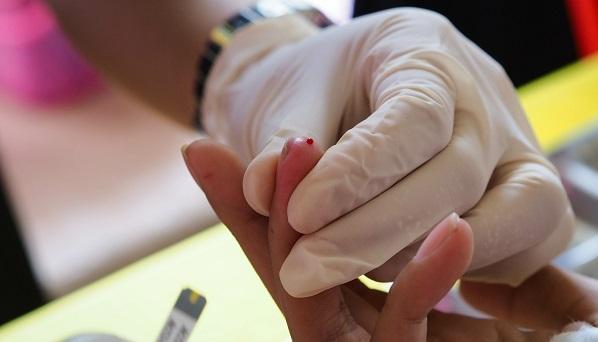
The report, based on an extensive analysis of over three million preventive health check-ups conducted in 2025, highlights a growing trend of lifestyle-related health issues among young adults. Prediabetes, a condition where blood sugar levels are higher than normal but not yet in the diabetic range, is particularly worrying because it often goes unnoticed and can eventually progress into full-blown diabetes if not managed in time. Early intervention is critical.
Experts say that the rising prevalence of prediabetes in young people reflects unhealthy lifestyle patterns, including poor diet, lack of physical activity, high stress levels, and increasing dependence on processed foods. What makes the situation more concerning is that many individuals are unaware of their condition until it worsens. Awareness is dangerously low.
Alongside this, vitamin D deficiency has emerged as another widespread health issue. Often referred to as the “sunshine vitamin,” vitamin D plays a crucial role in maintaining bone health, supporting the immune system, and regulating various bodily functions. Despite India being a tropical country with abundant sunlight, a large number of young adults are deficient in this essential nutrient. The paradox is striking.
Health experts attribute this paradox to modern lifestyles that keep people indoors for most of the day. Long working hours, screen-heavy routines, and limited outdoor activity reduce exposure to sunlight, which is the primary natural source of vitamin D. In addition, dietary habits lacking in vitamin D-rich foods further contribute to the deficiency. Modern life is taking a toll.
The report also sheds light on broader fitness concerns among young Indians. Nearly two-thirds of individuals under the age of 30 were found to have poor physical fitness, including low strength, flexibility, and balance. These issues not only affect day-to-day well-being but also increase the risk of long-term health complications such as cardiovascular diseases and reduced mobility. Fitness levels are alarming.
Among students aged 17 to 25, the findings are equally troubling. A majority were found to have at least one underlying health risk that requires attention. This suggests that health problems are no longer confined to older age groups but are becoming increasingly common in younger populations as well. No age group is immune.
The report also highlights concerning trends among working professionals. About half of individuals in their late 30s are either prediabetic or diabetic, and nearly 80% are overweight. These statistics underline the cumulative impact of unhealthy lifestyle choices over time, emphasizing the urgent need for preventive measures. The trend worsens with age.
Medical experts are calling for a shift toward personalized and preventive healthcare. They stress that regular health screenings, early diagnosis, and lifestyle modifications are key to tackling these issues. Simple changes such as improving diet, increasing physical activity, maintaining a healthy weight, and ensuring adequate sunlight exposure can significantly reduce risks. Prevention is possible.
The report also draws attention to women’s health, noting rising cases of conditions like anaemia, obesity, and even asymptomatic breast cancer in older age groups. Experts emphasize the importance of routine screenings and awareness to detect such issues early and improve outcomes. Women’s health needs focused attention.
Overall, the findings serve as a wake-up call for India’s youth. While modern lifestyles and urban living have brought convenience, they have also introduced new health challenges. Without timely intervention and increased awareness, these silent conditions could lead to a major public health crisis in the coming years. The clock is ticking.
The message from experts is clear: prevention, early detection, and healthier lifestyle choices are crucial to reversing this worrying trend. The future of India’s health depends on action taken today. Change must start now.