Study Finds Red Blood Cells Key to Better Glucose Tolerance at High Altitude — Potential Clues for Diabetes Treatment
San Francisco, California — Scientists have made a major discovery that explains a long-standing medical mystery: why people living at high altitudes tend to have better blood sugar control and lower rates of diabetes compared with those at lower elevations. New research shows that red blood cells (RBCs) — traditionally thought of only as oxygen carriers — play a surprisingly powerful role in controlling blood glucose levels when oxygen is scarce, opening entirely new avenues for diabetes treatment research.
Populations living in mountainous regions around the world — from the Andes to the Himalayas — have long been observed to have lower incidence of type 2 diabetes and improved glucose tolerance compared to sea-level populations. Until now, the biological mechanism behind this protective effect remained poorly understood, leaving scientists to speculate about possible explanations ranging from lifestyle factors to genetic adaptations.
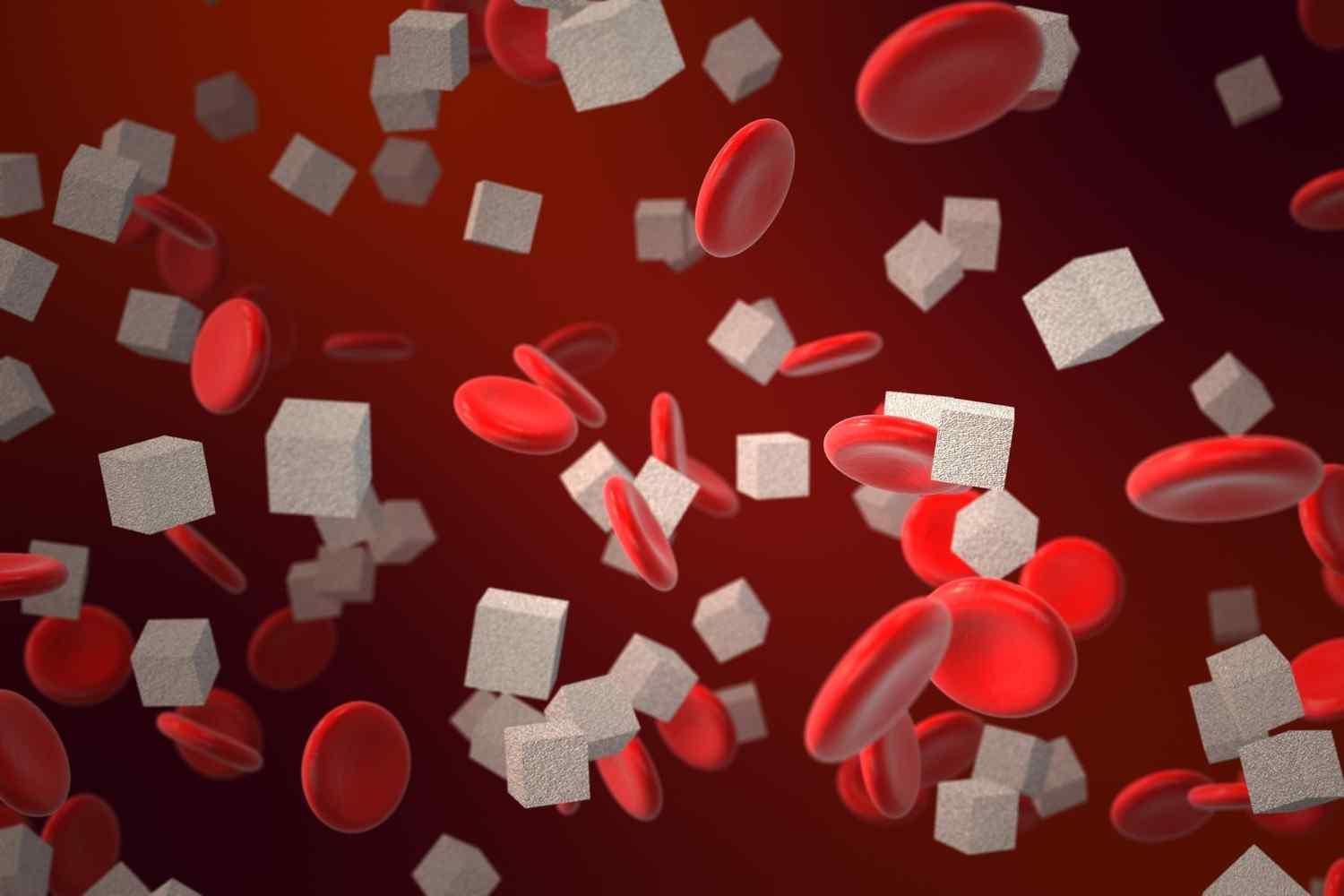
A team of researchers led by Dr. Isha Jain at the Gladstone Institutes, in collaboration with scientists from the University of Colorado Anschutz Medical Campus and the University of Maryland, has discovered that high altitude conditions trigger a dramatic change in how red blood cells process glucose, turning them into active "sugar sponges" that help lower circulating blood glucose through a previously unknown mechanism.
Hypoxia Triggers Red Blood Cell Transformation
At high altitude, the air contains much less oxygen — a condition known as hypoxia. To adapt, the body increases its production of red blood cells, which carry oxygen to tissues, compensating for the thinner air by increasing the blood's oxygen-carrying capacity. But the new study reveals that these extra RBCs do much more than transport oxygen — they begin absorbing significantly more glucose from the bloodstream, effectively becoming metabolic regulators.
In hypoxic conditions, mice that mimic high altitude showed nearly double the number of red blood cells, and each of these cells took up much more glucose than normal, creating a powerful glucose-lowering effect. When scientists removed the excess RBCs from these animals, the improved glucose tolerance disappeared completely, proving that red blood cells were the main driver of the protective effect.
Further experiments showed that simply transfusing RBCs from high-altitude-adapted mice into normal mice caused a similar drop in blood glucose — even without exposing them to hypoxia. This demonstrates that increased RBC glucose uptake is both necessary and sufficient for lowering blood sugar in this model, establishing causality rather than mere correlation.
At the Cellular Level: How RBCs Absorb More Glucose
Beyond just having more red blood cells, the study found that each cell becomes more metabolically active under low oxygen, undergoing fundamental changes in how it processes energy. RBCs from hypoxic mice showed:
Enhanced glucose uptake per cell — about 2.5 times higher than normal, meaning each individual cell contributes more to glucose clearance from the bloodstream.
Increased expression of glucose transporter proteins, including GLUT1 and GLUT4, which help shuttle glucose into cells and are typically associated with insulin-responsive tissues like muscle and fat. This unexpected finding suggests RBCs can upregulate their own glucose import machinery.
Metabolic rewiring that directs glucose into pathways that support oxygen delivery to tissues, notably the Luebering-Rapoport shunt — a reaction that enhances release of oxygen from hemoglobin and simultaneously consumes glucose in the process. This elegant adaptation ties glucose consumption directly to oxygen delivery efficiency.
This metabolic shift reflects a sophisticated adaptation: RBCs not only absorb more glucose but also use it in ways that help the body cope with hypoxic stress, creating a coordinated response that benefits the entire organism.
Implications for Diabetes Therapy
Perhaps the most exciting aspect of the research is its potential relevance to diabetes treatment, offering hope for new therapeutic approaches. In mouse models of both type 1 and type 2 diabetes, exposing animals to hypoxia led to dramatic improvements in glucose control — despite insulin deficiency in type 1 models where the body cannot produce its own insulin. This insulin-independent effect suggests a completely different pathway for managing blood sugar.
Researchers also tested a drug called HypoxyStat, which mimics the effects of hypoxia by increasing hemoglobin's oxygen affinity and creating a mild hypoxic environment within tissues. This treatment improved blood sugar and glucose tolerance in diabetic mice, suggesting that pharmacologically harnessing the same red blood cell response could become a new therapeutic strategy without requiring actual altitude exposure.
The results highlight a novel, insulin-independent mechanism for lowering blood glucose, which could open doors for new treatments that rely on recruiting red blood cells as metabolic regulators rather than focusing exclusively on insulin pathways that may be compromised in diabetic patients.
A Paradigm Shift in Glucose Regulation
The discovery reshapes scientists' understanding of systemic glucose regulation by identifying a previously overlooked role for red blood cells in metabolic control. Rather than merely circulating passively as oxygen carriers, RBCs in hypoxic environments act as a major glucose sink, significantly influencing whole-body glucose metabolism through their collective glucose consumption.
This finding adds to a growing appreciation of how different cell types contribute to metabolic regulation beyond the classic insulin-target tissues. The red blood cell's role as a metabolic regulator opens new questions about how other blood components might influence metabolism.
Broader Significance and Future Research
While the findings in mice are promising, translating this biology into safe and effective treatments for humans will require extensive clinical research. Researchers caution that direct hypoxia exposure isn't practical or safe as a therapy, given the risks associated with low oxygen levels, but understanding how to mimic the RBC adaptations without harmful side effects may hold immense promise.
The drug HypoxyStat approach, if validated in further studies, could offer a way to harness the benefits of high-altitude adaptation without actually sending patients to live in the mountains. This pharmacological strategy could potentially be developed into a treatment that activates the same red blood cell glucose uptake mechanisms.
As this area of science progresses, the insights from high altitude adaptation may not only explain natural differences in diabetes risk but also inspire innovative strategies to combat metabolic diseases worldwide, potentially benefiting the hundreds of millions of people affected by diabetes.
A New Frontier in Diabetes Research
For decades, diabetes research has focused heavily on insulin secretion, insulin resistance, and the classic metabolic tissues—liver, muscle, and fat. This study opens an entirely new frontier by demonstrating that red blood cells, the most abundant cells in the human body, can be harnessed to lower blood glucose through mechanisms unrelated to insulin.
The sheer number of red blood cells—about 25 trillion in the average adult—means that even modest increases in their glucose uptake could have substantial effects on total body glucose disposal. This represents a massive therapeutic target that has been essentially unexplored until now.
Also Read: Dubai's Air Taxi Set to Revolutionise Travel in 2026 — 36 km in Just 10 Minutes
Conclusion
The discovery that red blood cells become powerful glucose regulators under hypoxic conditions fundamentally changes our understanding of both altitude adaptation and glucose metabolism. It explains a decades-old observation about high-altitude populations while opening exciting new possibilities for diabetes treatment.
As research continues, the humble red blood cell may emerge as an unlikely hero in the fight against metabolic disease.
Red blood cells: not just oxygen carriers but sugar sponges. A new frontier in diabetes treatment emerges from high-altitude science.